How to Select the Right Rotary Switch for Your Electrical Project
Choosing the right rotary switch is a critical step in ensuring reliable control, safety, and long-term performance in electrical and electronic systems. From industrial machinery and control panels to consumer electronics and medical equipment, rotary switches play a vital role in multi-position circuit selection.
In this comprehensive guide, we explore how rotary switches work, key selection criteria, common types, applications, and expert tips to help engineers, buyers, and designers make informed decisions.
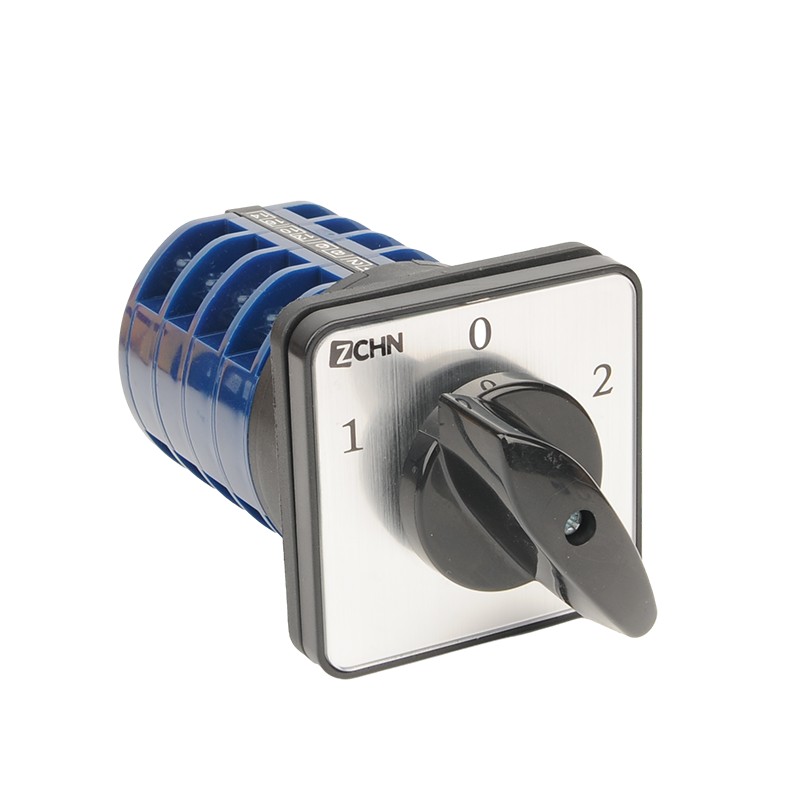
Table of Contents
- What Is a Rotary Switch?
- How Does a Rotary Switch Work?
- Key Factors to Consider When Selecting a Rotary Switch
- Common Types of Rotary Switches
- Typical Applications of Rotary Switches
- Rotary Switch Selection Comparison Table
- Installation and Usage Tips
- Why Choose a Professional Rotary Switch Manufacturer?
- Frequently Asked Questions (FAQ)
What Is a Rotary Switch?
A rotary switch is an electromechanical device that allows users to select one of multiple circuit paths by rotating a knob or shaft. Unlike push buttons or toggle switches, rotary switches provide multiple fixed positions, making them ideal for complex control and signal selection.
They are widely used in applications where multiple options or modes need to be selected clearly and reliably, such as voltage selection, function control, and channel switching.
How Does a Rotary Switch Work?
A rotary switch operates by rotating a central shaft connected to a cam or rotor. As the shaft turns, internal contacts engage or disengage different terminals in a predefined sequence.
- Each position corresponds to a unique electrical connection
- Detents provide tactile feedback for accurate selection
- Contacts are usually made from silver alloy or gold-plated materials
High-quality rotary switches, such as those produced by experienced manufacturers like Lixin, are engineered to maintain stable contact resistance even after thousands of cycles.
Key Factors to Consider When Selecting a Rotary Switch
1. Number of Positions
Determine how many distinct positions are required. Rotary switches can range from 2 positions to over 24 positions, depending on the application.
2. Electrical Rating
- Rated voltage (AC/DC)
- Current capacity
- Contact resistance
3. Pole and Throw Configuration
Common configurations include:
- SPT (Single Pole, Multi-Throw)
- DPT (Double Pole, Multi-Throw)
4. Mounting Style
- Panel mount
- PCB mount
- Through-hole or surface mount
5. Environmental Conditions
For harsh environments, consider rotary switches with:
- Dust and moisture resistance
- Wide operating temperature range
- Vibration-resistant design
Common Types of Rotary Switches
- Standard Rotary Switch – General-purpose applications
- Wafer Rotary Switch – Modular and customizable
- Miniature Rotary Switch – Space-constrained designs
- High-Current Rotary Switch – Power distribution systems
- Encoder-Style Rotary Switch – Digital signal input
Typical Applications of Rotary Switches
Rotary switches are found across a wide range of industries:
- Industrial control panels
- Power supply equipment
- Audio and broadcast equipment
- Medical devices
- Test and measurement instruments
- Household appliances
Rotary Switch Selection Comparison Table
| Selection Factor | Low Requirement | Medium Requirement | High Requirement |
|---|---|---|---|
| Current Rating | < 1A | 1A – 5A | > 5A |
| Positions | 2 – 4 | 5 – 12 | 12+ |
| Durability | 10,000 cycles | 50,000 cycles | 100,000+ cycles |
Installation and Usage Tips
- Always verify electrical ratings before installation
- Ensure proper torque when panel mounting
- Avoid contamination of contacts during soldering
- Label positions clearly for user safety
Why Choose a Professional Rotary Switch Manufacturer?
Working with an experienced rotary switch manufacturer ensures consistent quality, compliance with international standards, and customization support. Companies like Lixin provide a wide range of rotary switch solutions for industrial and commercial use.
For more technical specifications and product insights, you can explore this dedicated resource on rotary switch solutions.
Frequently Asked Questions (FAQ)
Q1: What is the lifespan of a rotary switch?
Most high-quality rotary switches are rated for tens of thousands of operating cycles, depending on load conditions and material quality.
Q2: Can rotary switches handle high voltage?
Yes, certain models are specifically designed for high-voltage and high-current applications. Always check manufacturer ratings.
Q3: Are rotary switches better than toggle switches?
Rotary switches are superior when multiple positions or functions are required, while toggle switches are better for simple on/off control.
Q4: Can rotary switches be customized?
Professional manufacturers like Lixin often offer customization options for shaft length, contact configuration, and labeling.
In conclusion, selecting the right rotary switch involves balancing electrical requirements, mechanical design, and environmental factors. By partnering with a reliable supplier and understanding your application needs, you can ensure long-term performance and safety.
If you are looking for dependable rotary switch solutions backed by engineering expertise, feel free to contact us today and discover how Lixin can support your next electrical project.